
How Technology Has Affected People’s Activity Levels
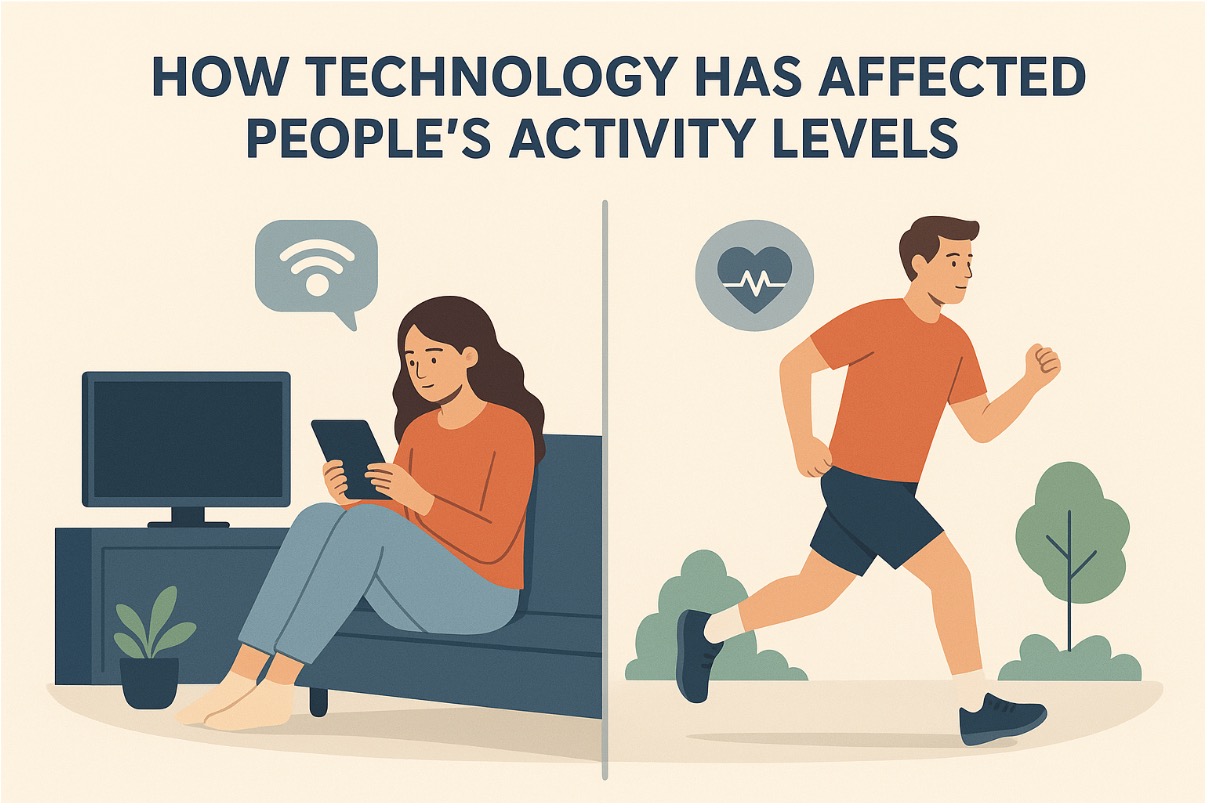
Technology is one of the strongest forces shaping human behavior today. From smartphones to smart homes, automation to artificial intelligence development —every aspect of daily life is influenced by digital innovation. One of the most visible changes is how technology has affected our physical activity levels. It has made life more convenient and connected, but also more sedentary. This article explores the positive and negative impacts on movement, health, and society—and how to find a healthier balance.
The Evolution of Activity: From Manual to Minimal Effort
For most of human history, movement was baked into life: hunting, farming, walking, and manual labor. Modern technology dramatically reduced the need for physical effort. Today:
- Safe transportation replaced long-distance walking
- Machines replaced physically intensive labor
- Screens replaced outdoor entertainment
- Home automation replaced routine household chores
In short, tasks that once required the body now rely on machines and software.
Sedentary Lifestyles: The Downside of Convenience
1) Sedentary Work Culture
Desk-based jobs and remote work increase sitting time. Commuting, walking to colleagues, and incidental movement decline—while time in front of laptops rises to 8–10 hours a day, a behavior linked to obesity, heart disease, and diabetes.
2) Entertainment at Our Fingertips
TV reduced outdoor play; smartphones, tablets, gaming, and streaming compounded it. Kids prefer gaming over sports; adults binge-watch instead of evening walks; social interactions move online—fun no longer requires movement.
3) Online Shopping & Food Delivery
Groceries, meals, and goods arrive at the door. Physical effort shrinks to tapping and scrolling—contributing to weight gain and poorer nutrition habits.
Technology’s Psychological Pull: Addictive and Immersive
Apps and platforms are engineered to capture attention: notifications, auto-play, infinite scroll, and gamified rewards encourage prolonged use. People frequently underestimate screen time, often doubling their intended usage—crowding out opportunities for movement.
Health Consequences of Reduced Activity
The impacts of low activity are broad and well-documented:
| Health Issue | How Inactivity Contributes |
|---|---|
| Obesity | Lower calorie burn; increased snacking during screen time |
| Diabetes | Impaired glucose metabolism from prolonged sitting |
| Cardiovascular Diseases | Reduced heart strength and blood flow |
| Posture Issues | “Tech neck”, back pain, spinal problems |
| Mental Health | Anxiety, depression, and disrupted sleep |
| Immune Function | Less exercise reduces beneficial hormonal and cellular activity |
Major health organizations identify physical inactivity as a leading risk factor for premature mortality worldwide.
Not All Doom and Gloom: Technology as a Tool for Movement
1) Fitness Apps & Wearables
- Track steps, heart rate, sleep, and calories
- Send “stand up” reminders and movement nudges
- Offer coaching, challenges, and habit streaks
2) Virtual Fitness & Wellness Platforms
Home workouts, yoga, and VR classes provide flexible, personalized activity options—great for busy schedules.
3) Games That Make You Move
Switch/VR titles, dance/sports simulators blend entertainment with exercise—especially effective for younger audiences.
4) Smarter Workspaces
Standing desks, ergonomic tools, and posture reminders encourage more active work habits.
Children and Youth: The Most Affected Age Group
- More screen time than playground time
- Online socialization replacing outdoor play
- Remote learning increases seated hours
Excessive screen exposure can slow motor development, reduce attention span, affect sleep, and dent self-esteem. Parents and schools must proactively protect active time.
Technology and Active Transportation: A Bright Future
- E-bikes and scooters make longer cycling practical
- Navigation apps highlight walking routes
- Smart-city policies encourage transit, walking, and cycling
Tech-driven convenience doesn’t have to reduce movement—it can redefine it.
Finding the Balance: Practical Tips for a Healthier Lifestyle
Technology is here to stay. Instead of avoiding it, we must learn to coexist with it intelligently.
At Work
- Use standing/convertible desks
- Take walking breaks every hour (set digital reminders)
- Use stairs; walk or cycle short commutes
At Home
- Limit binge-watching with timed breaks
- Use fitness reminders and goal tracking
- Choose active hobbies—dance, sports, gardening
- Swap some screen time for family outdoor time
For Children
- Set screen-time boundaries
- Encourage sports and active play
- Make movement fun at home; lead by example
Small, consistent movements make a big difference.
The Role of Society and Policy
- Design neighborhoods with parks, bike lanes, and safe sidewalks
- Daily physical education in schools
- Workplace wellness programs and incentives
- Public awareness campaigns about movement and health
Technology + Activity: The Ideal Future
Imagine VR workouts that feel like real adventures, AI coaches personalizing movement goals, smart cities that nudge walking and cycling, and medical tech that continuously supports health. This future is already emerging—technology can be fitness’s ally if used consciously.
Conclusion
Technology has undeniably changed how people move—making life easier but more sedentary. The consequences show up in lifestyle diseases and mental health. Yet by embracing the positive side of tech (fitness apps, active gaming, smart planning) and setting mindful boundaries on screen time, we can restore balance.
Our bodies are designed to move. As technology advances, our responsibility is to ensure it enhances—not replaces—physical activity. Ultimately, the impact of technology on our activity levels isn’t decided by innovation alone, but by the choices we make every day.
Enjoyed this read? Share it with a friend or colleague—and if you’re planning a health or wellness app, let’s talk about how to build it right.